Debt-Free guide
Debt Payoff Plan Checkup: The Five Numbers to Update Before You Trust the Timeline
A payoff timeline is only as current as its inputs. Before treating an estimate as a plan, refresh the five values most likely to change the result.
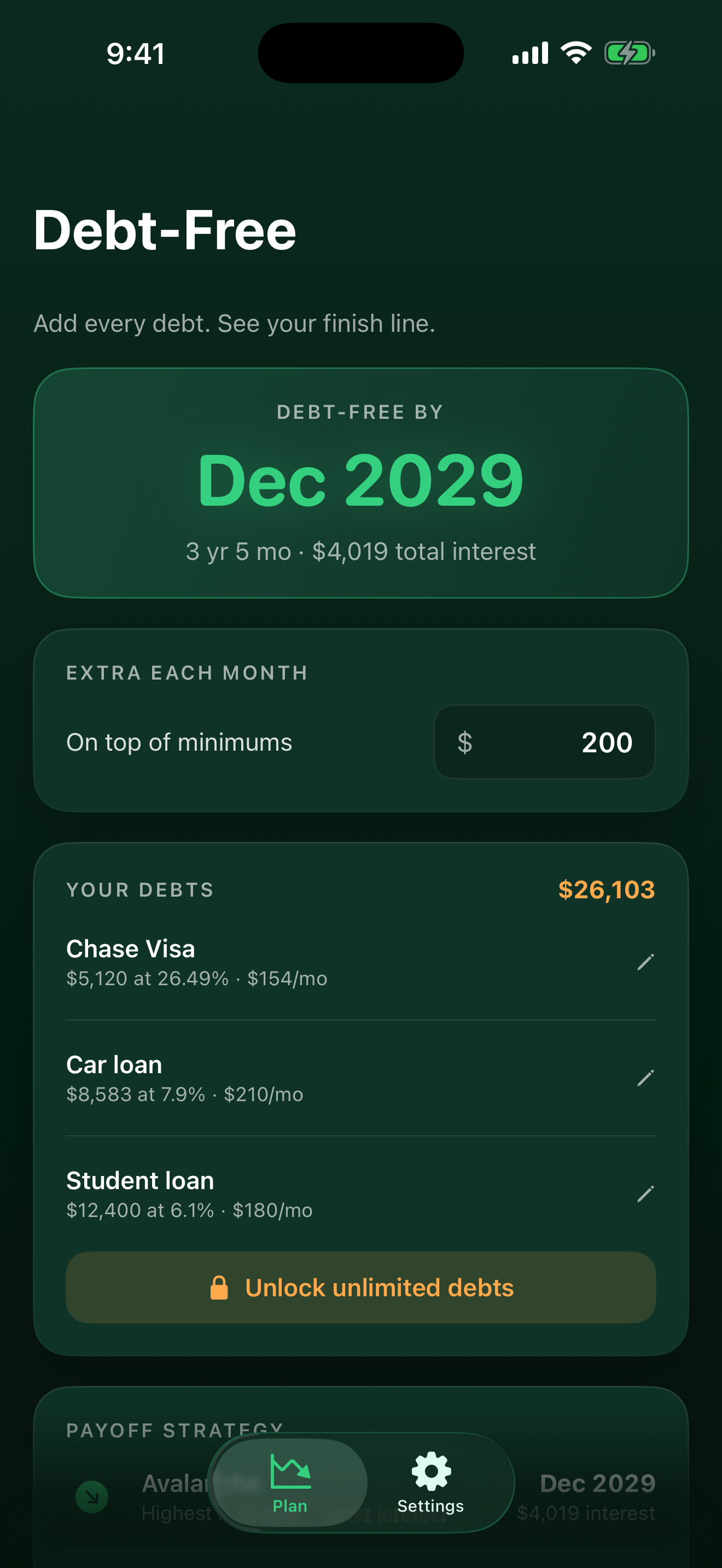
The five-number checkup
- Current balance. Use the most recent reliable balance for each debt, noting pending activity separately.
- Current APR or rate. Check for variable rates, separate balance categories, and promotional or deferred-interest deadlines.
- Required payment. Refresh the minimum or contractual amount currently due. Do not assume last month’s minimum remains fixed.
- Planned extra payment. Use an amount your current budget can actually support after required obligations, rather than an aspirational number.
- As-of date. Record when you checked the inputs so you can tell when the plan has become stale.
Why all five matter together
A lower balance can shorten an estimate. A higher rate, new charge, fee, or lower extra payment can lengthen it. A plan can also appear precise while mixing values from different statement dates. The as-of date is the small field that exposes that mismatch.
What current consumer guidance supports
The Consumer Financial Protection Bureau’s debt worksheet asks people to gather the creditor, due date, interest rate, amount outstanding, monthly payment, payoff goal, and important terms. Its debt action plan describes two common ordering rules: smallest balance first or highest interest rate first. Neither source makes a personal affordability decision for you.
Credit-card estimates deserve special care. The CFPB explains that statement disclosures use specific assumptions and that new purchases, changing minimums, multiple APR categories, promotional terms, fees, and payment timing can change a result.
Run the checkup in a safe order
- Open the current statements or lender records directly—avoid copying sensitive account numbers into a planning tool.
- Write down only the planning values you need.
- Mark promotional end dates, variable rates, past-due status, collections, or legal notices for separate attention.
- Keep every required payment current unless a creditor or qualified adviser gives different instructions.
- Choose one ordering rule and document it.
- Recalculate, then label the output as an estimate with an as-of date.
When a simple worksheet is not enough
Stop treating a generic payoff model as the main tool when the situation includes collections, lawsuits, tax debt, debt settlement, bankruptcy, inability to cover essentials, suspected fraud, or an account you do not recognize. Those circumstances can involve legal rights, deadlines, credit reporting, taxes, and personal affordability beyond a basic calculator.
Use the browser-local worksheet
The debt-plan checkup worksheet helps you verify whether those five categories are current. It does not request account numbers, connect to a bank, save data, or produce a payoff promise.
Where Debt-Free fits—and where it does not
Debt-Free models user-entered payoff scenarios locally without bank linking. It can help compare an ordering rule and show estimated schedules, but it does not verify balances, move money, negotiate debt, choose an affordable payment, or provide financial advice. The app is free to download; optional $4.99 Lifetime Access is a one-time purchase with no subscription.
View Debt-Free on the App Store Review features, pricing, and privacy
Sources and limitations
This is educational planning information, not financial, legal, tax, or credit advice. Actual lender calculations and account terms control.